Get Backflow Plumbing Replacement
Backflow plumbing replacement services involve local contractors fixing or replacing faulty or outdated backflow preventers to ensure safe and reliable water flow.
Property owners exploring backflow plumbing replacement services often seek reliable solutions to ensure their plumbing systems function properly and remain compliant with local regulations. Whether due to aging infrastructure, recent inspections, or the need to upgrade for improved safety and sanitation, choosing experienced local contractors can help facilitate a smooth and effective replacement process. By comparing options within the area, property owners can find service providers equipped to handle the specific demands of backflow prevention and replacement projects.
Continuing to review available services can provide valuable insights into the range of solutions offered by local contractors. This process supports informed planning and helps identify professionals with the expertise to meet individual property needs. Staying engaged with local service providers ensures property owners are well-positioned to select the right team for their backflow plumbing replacement work.
- Backflow Preventer Replacement - needed when existing backflow devices are outdated or malfunctioning to ensure proper water safety.
- Backflow Valve Repair - required if a backflow valve is leaking, damaged, or not functioning correctly to protect the water supply.
- Backflow System Upgrades - necessary when upgrading plumbing systems to meet current codes or improve system performance.
- Backflow Device Testing - essential for verifying that backflow preventers are working properly and complying with local regulations.
- Backflow Prevention Installation - needed when installing new backflow preventers to prevent contamination of potable water supplies.
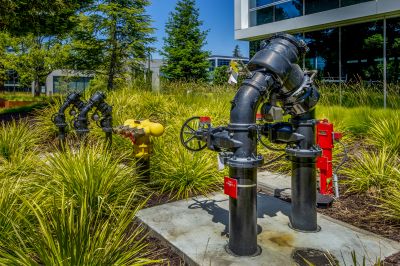
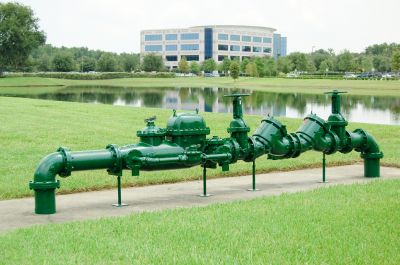
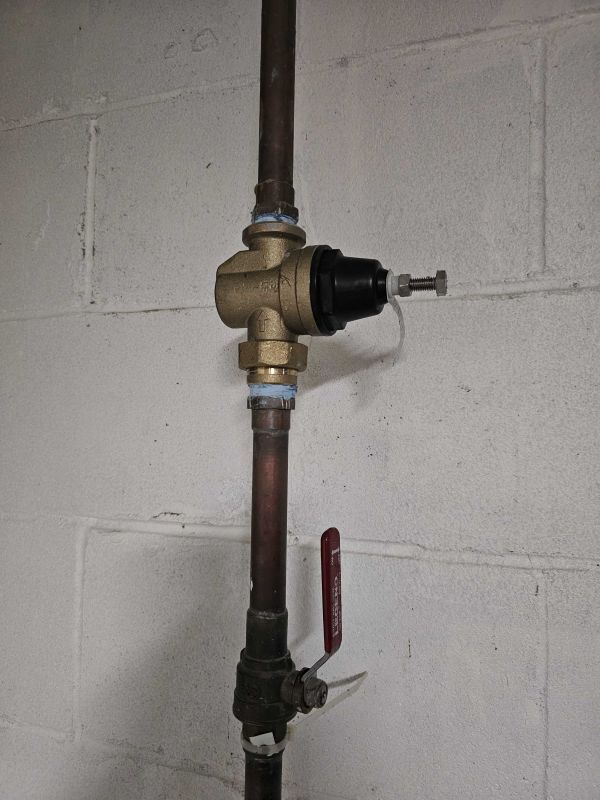
Backflow plumbing replacement involves removing and replacing outdated, damaged, or faulty backflow prevention devices within a property's plumbing system. These devices are installed to prevent contaminated water from flowing backward into the clean water supply. When a backflow device malfunctions or becomes compromised, it can lead to serious health hazards by allowing pollutants or bacteria to enter drinking water. Professional service providers can evaluate the existing system, identify issues, and perform the necessary replacement to ensure the water supply remains safe and compliant with local regulations.
This service helps resolve a variety of plumbing problems, including persistent leaks, corrosion, or age-related wear that can cause backflow preventers to fail. It is also essential when a device has been damaged due to freezing, impact, or improper installation. Replacing an outdated or broken backflow preventer is crucial for maintaining water quality, preventing contamination, and avoiding costly repairs or water damage in the future. Local contractors can assess the condition of existing devices and recommend the appropriate replacement options to keep plumbing systems functioning reliably.
Backflow plumbing replacement services are commonly used in residential properties, especially in homes with irrigation systems, wells, or other water sources that require backflow prevention. Commercial buildings, multi-family residences, and properties with complex plumbing setups also frequently need this service to meet safety standards. Any property that relies on backflow preventers to protect its water supply from potential contamination can benefit from professional replacement services. These experts ensure that the new devices are correctly installed and functioning properly, helping property owners maintain a safe and compliant water system.
Homeowners should consider backflow plumbing replacement if they notice signs such as reduced water pressure, unusual tastes or odors in their water, or if their backflow preventer appears corroded or damaged. Regular inspections by local service providers can help identify potential issues before they become serious problems. When replacement becomes necessary, experienced contractors can handle the work efficiently, ensuring that the plumbing system continues to operate safely and effectively. Contacting local pros for this service provides a practical way to protect the water supply and maintain property safety.
The overview below groups typical Backflow Plumbing Replacement projects into broad ranges so you can see how smaller, mid-sized, and larger jobs often compare in your area.
In many markets, a large share of routine jobs stays in the lower and middle ranges, while only a smaller percentage of projects moves into the highest bands when the work is more complex or site conditions are harder than average.
Smaller Repairs - Typical costs for minor backflow repairs or part replacements generally range from $250 to $600. Many routine jobs fall within this middle range, depending on the specific issue and parts needed. Fewer projects reach into higher cost tiers unless additional work is required.
Partial Replacement - Replacing a section of the backflow prevention system can cost between $600 and $1,500. This price range covers moderate repairs or upgrades, which are common for homeowners needing to address specific system issues.
Full Backflow Device Replacement - Complete replacement of a backflow preventer usually costs between $1,500 and $3,500. Larger, more complex projects or high-end systems can push costs beyond this range, but many local contractors handle standard replacements within these bounds.
Complex or Commercial Projects - Larger, more involved backflow system replacements can reach $5,000 or more. These projects are less common and typically involve extensive system upgrades or commercial property requirements, with most projects falling below this high end.
Actual totals will depend on details like access to the work area, the scope of the project, and the materials selected, so use these as general starting points rather than exact figures.
Underground Plumbing Repairs - these projects require similar trenching, pipe replacement, and planning skills as backflow plumbing replacements.
Water Line Replacement - involves working with underground piping systems and requires knowledge of local plumbing codes and proper installation techniques.
Drain Line Replacement - entails removing and replacing damaged or outdated drain pipes, utilizing similar tools and planning considerations as backflow system upgrades.
Sewer Line Repair - involves excavating and repairing or replacing sewer lines, often requiring similar site assessment and pipe handling skills.
Water Meter Installation - includes connecting and configuring water meters, which shares planning and technical skills with backflow device installation.
Irrigation System Installation - involves underground piping and valve setup, requiring similar planning, trenching, and pipe fitting skills as backflow prevention projects.
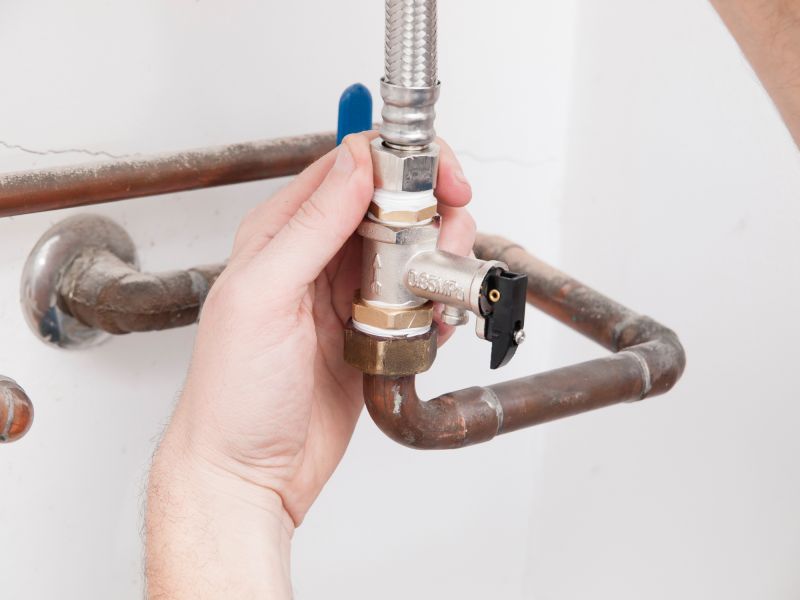
When comparing service providers for backflow plumbing replacement, it is important to consider their experience with similar projects. Homeowners should look for local contractors who have a proven track record of handling backflow prevention and replacement work in residential settings. An experienced professional will be familiar with the specific requirements of such systems, ensuring that the work is performed correctly and efficiently. Gathering information about how long a contractor has been working on backflow services and the types of projects they have completed can help in assessing their familiarity with the job.
Clear, written expectations are essential when choosing a local contractor for backflow plumbing replacement. Homeowners should seek providers who can offer detailed descriptions of the scope of work, materials to be used, and the steps involved in the process. Having a transparent understanding of what to expect helps prevent misunderstandings and ensures that both parties are aligned on the project’s goals. Clear communication about the work process also provides peace of mind and facilitates a smoother experience from start to finish.
Reputable references and strong communication skills are key factors when selecting a local service provider. Homeowners can ask for references from previous clients or look for online reviews to gauge the quality of work and customer satisfaction. Additionally, a contractor who is responsive and willing to answer questions demonstrates professionalism and a commitment to good service. It is important to choose a provider who communicates clearly and promptly, making it easier to address concerns and stay informed throughout the project. The site serves as a resource to connect homeowners with local pros who meet these criteria, but does not perform the work itself.
Property owners use Backflow Plumbing Replacement services for practical projects around their homes and businesses. This guide focuses on everyday jobs and straightforward project options.
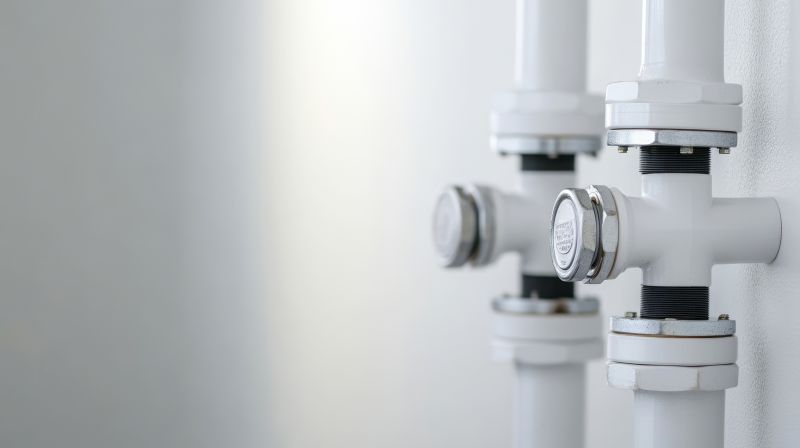
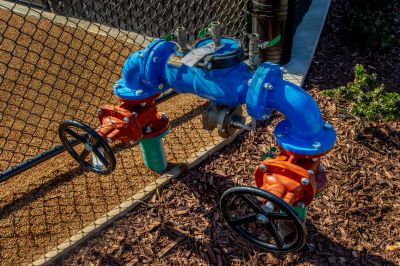
Backflow plumbing replacement is a common need for property owners dealing with outdated or damaged backflow preventers. These components are essential for protecting the local water supply from contamination, and over time, they can become corroded, cracked, or malfunction due to regular wear and tear. Local contractors specializing in backflow services can assess the condition of existing systems and handle replacements to ensure the plumbing remains safe and compliant with local regulations.
Property owners might also seek backflow replacement services when experiencing issues such as decreased water pressure, unusual odors, or visible leaks around the plumbing fixtures. In some cases, routine inspections or upgrades prompted by city or neighborhood requirements can lead to the need for new backflow preventers. Local service providers are equipped to manage these projects efficiently, helping maintain the integrity of the property’s water system and preventing potential health hazards.
What is backflow plumbing replacement? Backflow plumbing replacement involves removing and replacing damaged or outdated backflow prevention devices to ensure proper water flow and prevent contamination.
When should backflow plumbing be replaced? Replacement is recommended when backflow devices are malfunctioning, showing signs of wear, or have reached the end of their service life, as determined by a professional assessment.
How do local contractors handle backflow plumbing replacement? Local contractors evaluate the existing plumbing system, remove the faulty devices, and install new backflow preventers to maintain system integrity and compliance with local standards.
What types of backflow prevention devices can be replaced? Common devices include reduced pressure zone (RPZ) assemblies, double check valves, and pressure vacuum breakers, all of which can be replaced based on specific system requirements.
Why hire a professional for backflow plumbing replacement? A qualified service provider ensures the replacement is performed correctly, helping to prevent water contamination and ensuring the system functions properly.
Backflow Prevention Inspection - Regular inspections by local contractors can help ensure backflow preventers are functioning correctly to protect your water supply.
Backflow Device Replacement - When existing backflow preventers become outdated or damaged, service providers can replace them to maintain compliance and safety.
Water Line Upgrades - Upgrading old or damaged water lines can prevent backflow issues and improve overall plumbing system performance.
Emergency Backflow Repair - Local service providers can quickly address backflow problems that disrupt water flow or pose health risks in everyday situations.
If you are thinking about Backflow Plumbing Replacement for a property, this guide is meant to help you understand the work, the typical project types, and how different options might fit your plans.
When you are ready, you can use the quote form on this page to share a few details about your project. From there, local pros can review the basics and respond with options that match what you have in mind.